Understanding YouTube Automation
YouTube automation refers to the process of streamlining various tasks involved in creating and managing content on the platform. This approach utilizes technology and tools to automate repetitive processes such as video editing, publishing, and even content generation. By implementing YouTube automation, creators can save substantial time and effort, enabling them to focus on strategic growth activities like enhancing viewer engagement, developing marketing strategies, and increasing channel visibility.
The benefits of YouTube automation are manifold. One significant advantage is that it allows content creators to produce videos at a faster rate. With automation tools, tasks that would typically consume hours can sometimes be completed in minutes. For instance, automated video editing software can process and refine footage quickly, while content generation tools can assist in brainstorming and drafting scripts. Consequently, creators can maintain a consistent upload schedule, which is critical for audience retention and growth.
Moreover, YouTube automation enhances productivity, enabling creators to allocate their energy toward more creative aspects of their channels. Instead of becoming overwhelmed with the minutiae of video production, creators can leverage automation to eliminate mundane tasks. This efficiency not only improves the quality of the content shared but also fosters a sense of balance between work and personal life for many creators. It is no surprise that the popularity of YouTube automation is on the rise, with users increasingly drawn to its potential for generating passive income without the constant pressure of managing every detail of their channels.
Generating YouTube Content Ideas with ChatGPT
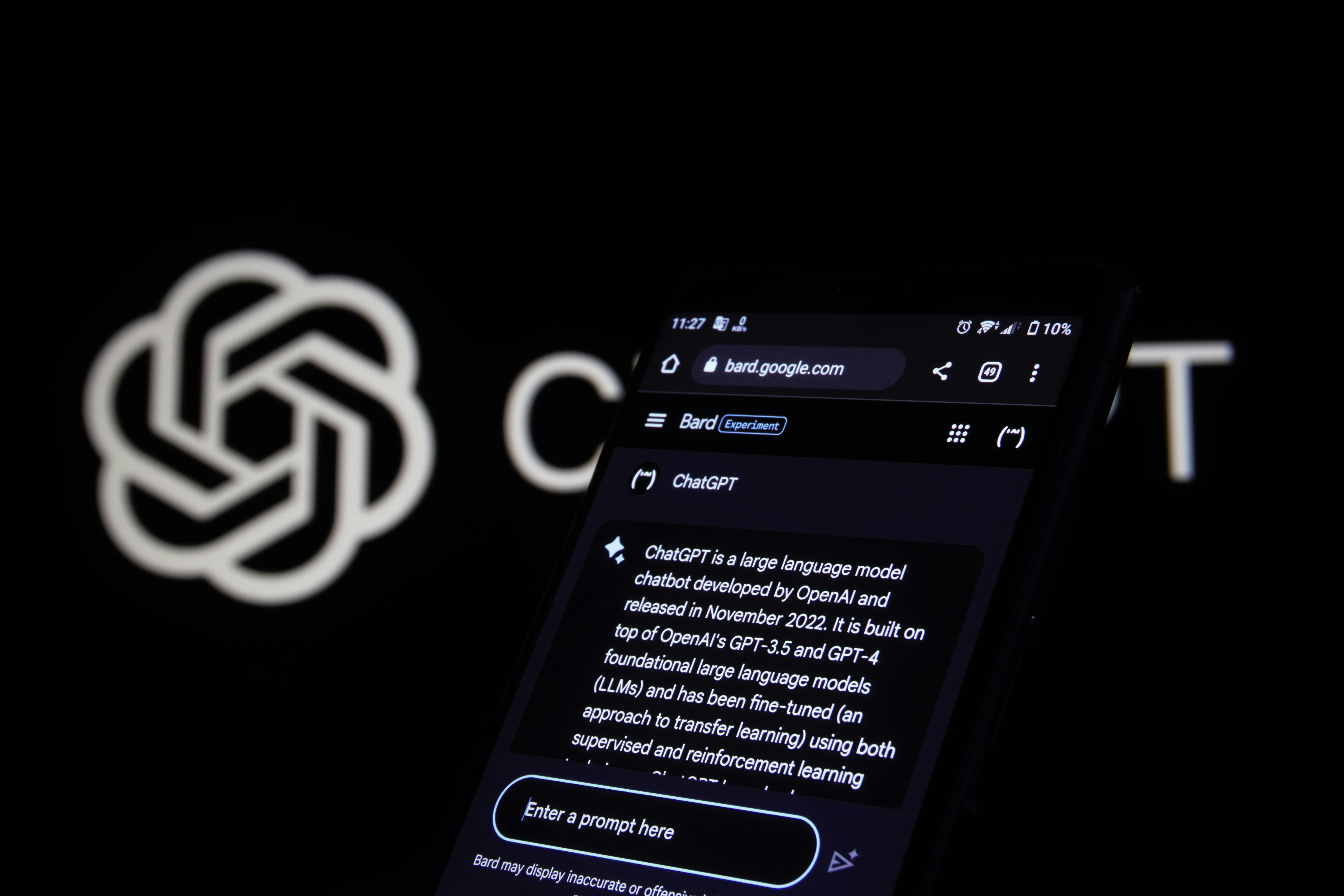
Creating engaging content is fundamental to succeeding on YouTube, and utilizing ChatGPT can significantly enhance the brainstorming process. With its advanced language processing capabilities, ChatGPT can assist creators in generating a plethora of video ideas tailored to specific niches. To start, it is essential to employ effective prompt engineering techniques, which involve crafting well-thought-out prompts that elicit meaningful responses from the AI.
For instance, creators can ask ChatGPT for “popular video topic ideas in the travel niche” or “trending themes in tech reviews.” By being specific in your queries, you guide the AI to produce relevant content suggestions that are aligned with current trends and audience interests. This strategy not only saves time but also ensures a diverse range of ideas.
Moreover, it is beneficial to iterate on the ideas generated by ChatGPT. After receiving initial suggestions, creators can ask follow-up questions to refine these concepts further. For example, if ChatGPT generates a general idea, such as “top 10 travel destinations,” you can follow up by specifying particular types of destinations, like “top 10 eco-friendly travel spots.” This approach maximizes the potential of the content to resonate with viewers seeking unique experiences.
Another effective technique is to integrate keywords or phrases that are currently trending within your niche. By asking ChatGPT to consider these keywords while generating ideas, you will enhance the SEO viability of your video topics. Additionally, comparing AI-generated ideas with audience preferences can provide deeper insights into content alignment. Analyzing comments on similar videos or engaging with your viewers can further inform how well the proposed ideas would perform on your channel.
Creating Visuals and Videos with AI Tools
In the realm of YouTube automation, integrating artificial intelligence (AI) tools can significantly enhance the quality of visuals and streamline the video creation process. Numerous AI-powered applications are designed specifically to assist users in generating stunning visuals, animations, and performing video editing tasks with ease. Utilizing these technologies not only saves time but also opens up new creative dimensions for content creators, enabling even novices to produce professional-looking videos.
One popular category of AI tools includes those focused on image generation. Platforms such as DALL-E and Midjourney allow users to create unique images by simply inputting descriptive text prompts. This means that content creators can generate custom graphics tailored to their video themes without the need for advanced graphic design skills. Importing these AI-generated visuals into video editing software enriches the content, providing an eye-catching element that can engage viewers more effectively.
In addition to image generation, several AI video editing tools simplify the often tedious editing process. For instance, programs like Magisto and Lumen5 leverage AI algorithms to automatically compile clips, add transitions, and incorporate appropriate music. These tools often offer templates that guide users through the assembly of their videos, ensuring that even those with little to no editing experience can produce polished results. Furthermore, features such as automatic scene detection and smart cropping make organizing and refining footage simpler, allowing creators to focus more on their narrative and messaging.
As automation becomes increasingly vital in the content creation landscape, these AI tools serve as invaluable allies for aspiring YouTubers. From generating visuals that enhance storytelling to simplifying the editing phase, the integration of accessible AI solutions provides a pathway for creators to enhance their video production capabilities without overwhelming complexity.
Monetization Strategies for Automated YouTube Channels
In the evolving landscape of online content creation, monetizing an automated YouTube channel can be highly lucrative. The key strategies for achieving this include generating ad revenue, forming partnerships through sponsorships, leveraging affiliate marketing, and capitalizing on merchandise sales.
Ad revenue is often the primary source of income for YouTube channels, including those that utilize automation. By signing up for the YouTube Partner Program (YPP), creators can earn money from ads that play before, during, or after their videos. To maximize ad revenue, understanding YouTube’s Content ID and algorithm is crucial. Creators should focus on producing high-quality content that encourages viewer engagement, as the platform’s algorithm rewards videos that retain audience attention.
Another effective monetization strategy is securing sponsorships. Brands are often keen to promote their products on channels that reach their target audience effectively. Automated channels that consistently generate views and have a clear niche can attract sponsorships, forming a mutually beneficial partnership that enhances brand visibility while providing financial support for the content creator.
Affiliate marketing represents yet another avenue for generating income. By promoting products or services within their videos and sharing affiliate links, creators can earn a commission for every sale made through their referral. This requires building a trust relationship with the audience, as transparency regarding affiliate partnerships can greatly influence buying decisions.
Lastly, merchandise sales can serve as a revenue booster for automated YouTube channels. Creators can design and sell branded merchandise that resonates with their audience. This not only provides an additional income stream but also strengthens community engagement.
In summary, combining these monetization strategies can significantly enhance the financial prospects of an automated YouTube channel. By understanding the dynamics of ad revenue, sponsorships, affiliate marketing, and merchandise sales, creators can successfully tap into various streams of income while optimizing content for the best performance.